When to Call Experts: Clear Warning Signs Your Chimney Is Due for Cleaning: Safeguard Your Home Against Fire Dangers
Chimney upkeep is frequently neglected, however it serves a vital function in household safety. Property owners ought to recognize particular warning indicators that signal the necessity for expert cleaning. Unpleasant smells, heavy smoke, and creosote accumulation are only some of the warning signs. Ignoring these signs can lead to serious risks. Being aware of these threats and knowing when to take action can preserve both property and personal safety. The content ahead will delve deeper into these critical considerations.
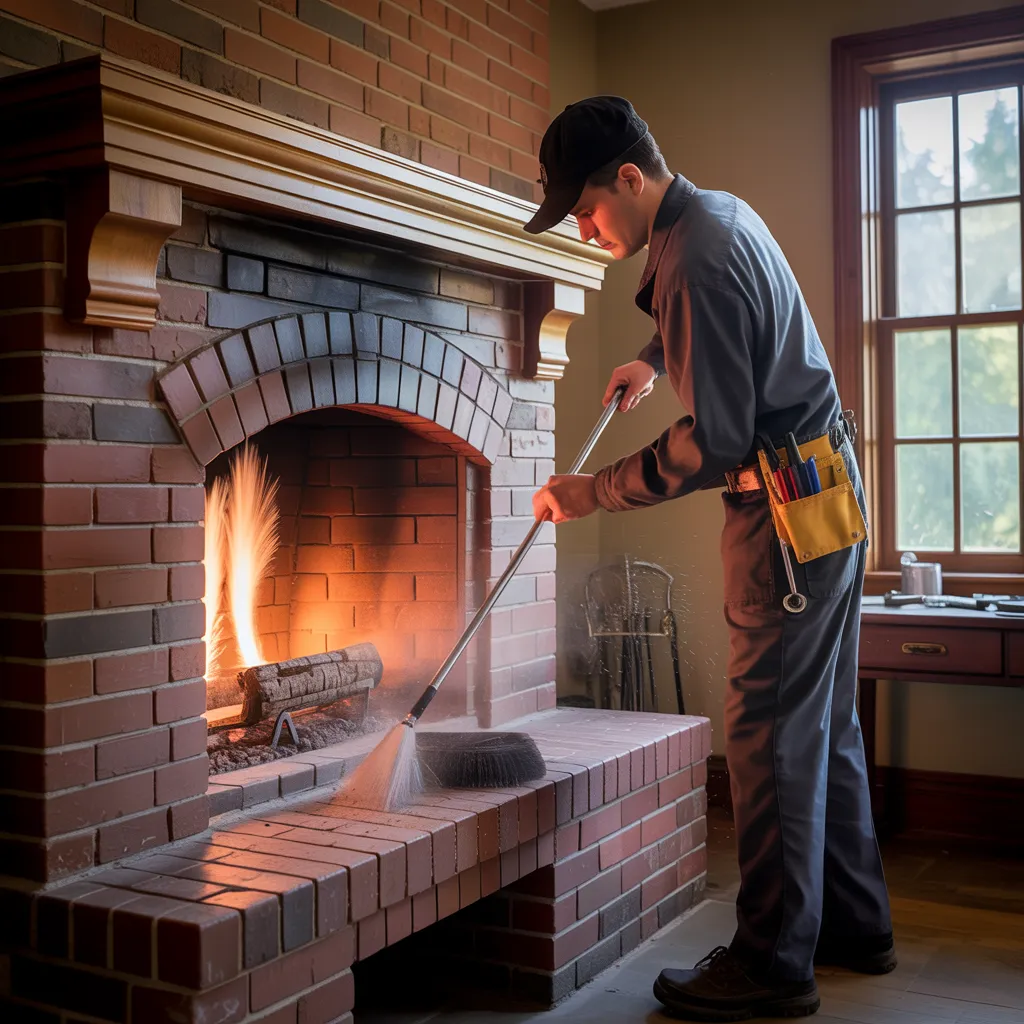
Spotting the Warning Signs of Chimney Neglect
How do homeowners recognize the warning signs of a neglected chimney? Homeowners need to stay alert for a number of critical warning signs. A major red flag is the buildup of creosote, which typically presents itself as a dark, tar-like coating on the interior flue walls. This buildup develops over time with consistent use and requires prompt attention. Homeowners may also detect an unpleasant smell coming from the chimney, which suggests that debris or animal nests may be blocking proper airflow. Another red flag is excessive smoke escaping into the living space during a fire, a clear indication of inadequate airflow through the chimney. Structural damage to the chimney, including loose bricks or deteriorating mortar, is another sign of neglect. Ultimately, if the chimney cap is missing or damaged, it exposes the chimney to moisture and debris, further compromising its integrity. Recognizing these signs can help homeowners take timely action before more serious issues arise.
The Risks of Ignoring Chimney Maintenance
Neglecting chimney maintenance poses significant risks, with fire hazards being the foremost concern. Accumulated soot and debris can ignite, causing severe chimney fires that put entire households at risk. Furthermore, physical deterioration can develop as deteriorating materials compromise the chimney's integrity over time.
Elevated Fire Risks
Over time, the buildup of creosote deposits and soot in a chimney can turn a warm and inviting fireplace into a serious fire hazard. Creosote, a residue produced by burning wood, is intensely combustible and susceptible to catching fire, leading to chimney fires that may threaten the safety of the entire property. Neglecting regular chimney maintenance increases the risk of debris-related blockages, which can cause smoke and gases to back up into living spaces, posing significant health hazards. Property owners frequently overlook the critical need for chimney maintenance, but even small accumulations can escalate into significant dangers. A comprehensive professional inspection and cleaning can reduce these dangers, ensuring that the fireplace remains a reliable and secure heat source rather than a looming risk to your household and belongings.
Structural Damage Risk
Ignoring scheduled chimney maintenance can contribute to extensive structural damage in a home. As time passes, creosote deposits and blockages can force smoke and gases to reverse, resulting in elevated pressure inside the chimney. Such pressure can split or undermine the chimney framework, possibly leading to expensive repairs. Furthermore, moisture accumulation from rain and snow can wear down brick and mortar, additionally weakening structural integrity. A unmaintained chimney may also let hazardous gases, such as harmful carbon monoxide, to seep into living spaces, generating significant health risks. Consistent inspections and cleanings assist in detecting problems early, confirming the chimney maintains its structural integrity and safety. Homeowners need to emphasize chimney upkeep to protect their property and safeguard against extensive damage.
How to Prevent Chimney Issues
Routine maintenance can significantly lower the risk of chimney problems. Homeowners ought to schedule routine inspections to detect potential issues in advance, such as creosote buildup or structural damage. Keeping the surrounding area clear of debris and vegetation can prevent blockages and guarantee proper airflow. Fitting a chimney cap can offer additional defense against moisture explore now intrusion and animal nesting, preventing more serious problems from developing.
It is also essential to burn seasoned hardwood, as this type of wood produces less creosote compared to softer woods. Homeowners should avoid burning treated wood or household waste, as burning such materials can produce dangerous chemicals and elevate the chances of chimney buildup.
In addition, ensuring a proper flue size for the stove or fireplace supports effective burning and limits the possibility of smoke backing up into the home. When adhering to these precautionary steps, property owners can greatly lower the risk of chimney complications.
How Often Should You Schedule Chimney Cleaning?
How frequently should homeowners schedule chimney cleaning to confirm safety and efficiency? Specialists advise that homeowners schedule chimney inspections and cleanings at least one time per year, especially if the chimney sees frequent use. This yearly upkeep assists in stopping the accumulation of creosote, a highly flammable substance that poses a significant fire hazard.
For those who use their fireplaces frequently, such as during cold months, more regular cleanings may be required. Residents should also take into account factors such as the chimney's age and the type of fuel being burned. If a chimney is used primarily for wood burning, more frequent inspections may be prudent because of the heightened risk of creosote buildup.
In addition, residents should watch for signs of blockage or deterioration, which may require supplementary maintenance. Ultimately, routine upkeep ensures a secure and effective fireplace, reducing fire risks and enhancing overall home safety.
What Occurs During a Chimney Cleaning?
Throughout a professional chimney cleaning, trained professionals comprehensively inspect and treat any debris buildup present in the chimney system. The procedure typically begins with a thorough visual assessment to locate evidence of creosote accumulation, blockages, or structural damage. Employing industry-grade tools, the professional then removes soot, creosote deposits, and accumulated debris, guaranteeing unobstructed airflow and reducing fire hazards.
The cleaning procedure commonly utilizes brushes, vacuums, and other equipment designed to effectively eliminate buildup. Professionals will often inspect the flue and chimney cap for optimal performance and overall condition. Upon completion of the cleaning, professionals frequently deliver guidance on maintenance or necessary repairs if issues are identified.
To conclude, a final inspection after cleaning verifies that the chimney is ready for safe operation, and the technician can supply recommendations on the frequency of future cleaning sessions. This comprehensive approach guarantees the chimney operates safely and effectively, protecting the home from potential fire risks.
Finding Qualified Chimney Cleaning Professionals
To locate reputable professionals, homeowners can gather referrals from local hardware stores, friends, or family members. Ratings and reviews online on websites like Google or Yelp can provide insights into service quality. One should obtain insurance documentation and references before committing to a provider.
Additionally, gathering a number of quotes can help homeowners gauge appropriate pricing and assess the expertise of different companies. Ultimately, enlisting professional chimney cleaners not only provides thorough cleaning but also defends against possible fire hazards, enhancing the overall safety of the residence.

Common Questions and Answers
Can I Perform My Own Chimney Cleaning?
Cleaning a chimney independently is possible, but it necessitates knowledge, proper tools, and safety precautions. A large number of homeowners choose professional cleaning services to ensure comprehensive cleaning and prevent possible risks linked to inadequate maintenance.
What Are the Prices for Professional Chimney Cleaning?
Hiring a professional chimney cleaner typically costs between $100 and $300, based on factors like location, chimney condition, and accessibility. Homeowners should consider these costs when budgeting for routine upkeep and making sure their chimney functions properly and safely.
What Tools Are Needed for Chimney Cleaning?
Chimney cleaning requires specific tools comprising a dedicated chimney brush, extension rods, a debris vacuum, a drop cloth to safeguard the surrounding area, and personal safety gear like protective goggles and gloves to provide for a effective and secure cleaning procedure.
Are There Particular Weather Conditions Required for Chimney Cleaning?
Chimney cleaning is best performed in dry, mild weather. Wet or wintry conditions can hinder the work, while extreme temperatures may affect the effectiveness of cleaning tools. Favorable weather with clear skies provides the best environment for thorough cleaning and overall safety.
How Can I Identify a Qualified Chimney Expert?
To identify a competent chimney expert, you should pursue credentials from trusted organizations, review online feedback, ask for references, verify insurance coverage, and ensure the professional has substantial experience in chimney cleaning and maintenance.